
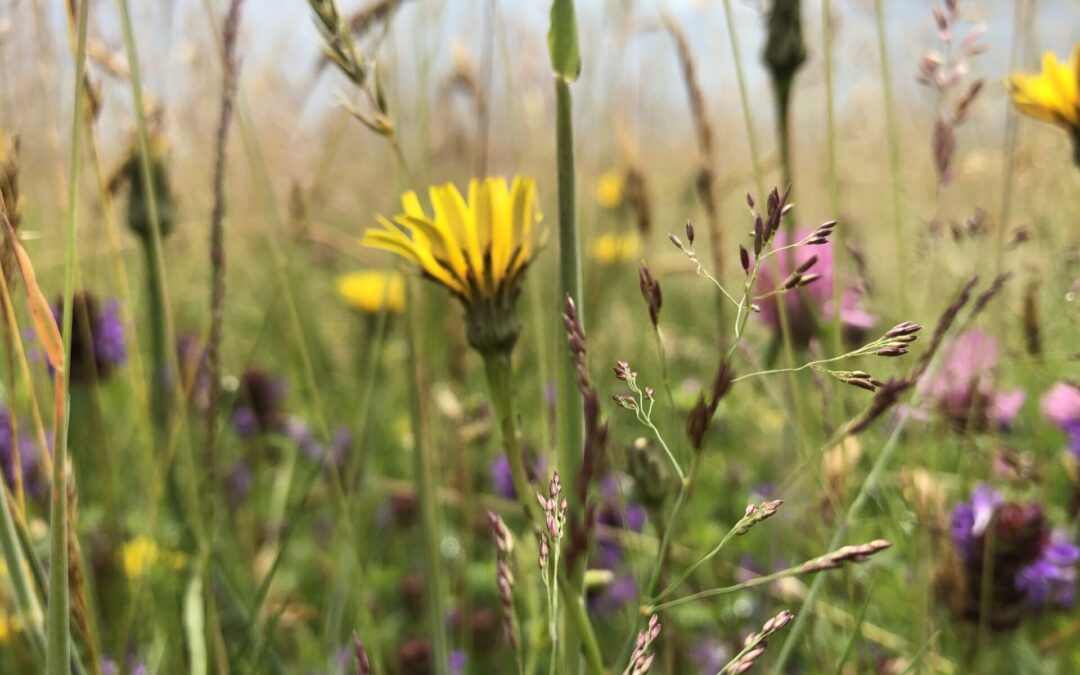
No Mow May. Fantastic for nature, fantastic for you!
Basically what you do is… well, nothing actually. It’s completely brilliant! Don’t mow your lawn or the verges or the churchyards or any grassy space during the month of May. Take a break, save time and energy and give nature room to do its thing for a while. Let the flowers and grasses grow, let all the bugs and butterflies and bees and insects enjoy this amazing oasis.
No Mow May is a great way to connect with nature, quite literally on your doorstep and will potentially make an enormous difference to the biodiversity of our nation. All you have to do is relax.
...and maybe teach yourself to enjoy a more natural look to your garden. Many of us find this hard at first, we’ve been keeping things tidy for a long time, but you can do it. Here’s how…
- Get to know the wildlife on your patch. Take out a cup of tea and sit for a while. Notice who visits, notice the variety of bees and insects and butterflies. Notice the wildflowers, look down through the grass and notice the fantastic mini beasts. Spend time with them, learn a few names if you can.
- If you need to create a neater appearance, mow a thin strip around the edge. (This also helps keep paths clear.) If you have a larger lawn you could have some fun and mow a meandering path through it.
Why do we need to do this? Well, all the little creatures that your mini meadow will support underpin the entire food web. The little bugs feed the bigger bugs, the birds, frogs, voles, hedgehogs, bats, rabbits, badgers, deer. And on the food chain goes to foxes, herons, otters and of course our magnificent birds of prey. Find out more @
In the first year you will notice a few wildflowers appear; daisies, red clover, dandelions, that sort of thing. As the years go by more will join. You might want to scatter some wildflower seeds (make sure they are native) or plant bulbs in the grass for early spring interest. All these flowers will bring pollinators and the longer grass will encourage spiders, grasshoppers, moths, beetles and much more. If you get into it you might consider ‘Don’t Cut Too Soon June’ or ‘Let It Dry July’ (I made these up) there’s no rush to take this new wildlife haven away.
Just a generation or two ago children didn’t marvel at the sight of a lone swallow when it returned from its miraculous journey across Africa (once their over excited nature ninja mother pointed it out). They enjoyed a sky full of martins and swallows and swifts feeding on the plentiful insects our beautiful countryside provided. Insects are prolific breeders given a half a chance. If we give them space and stop covering the countryside with chemicals, who knows what wildlife will return and thrive…