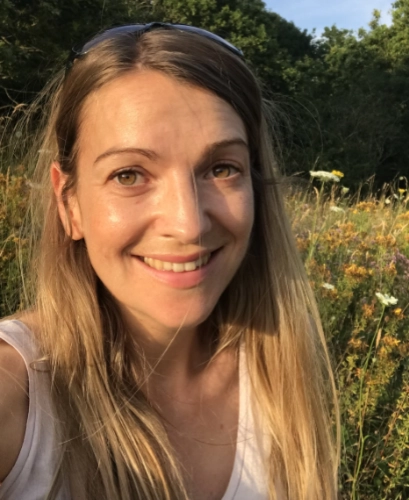
HELEN WOOD
Nature and Health Coordinator for West of England Nature Partnership
Lover of bugs, bikes and bivvy bag adventures...
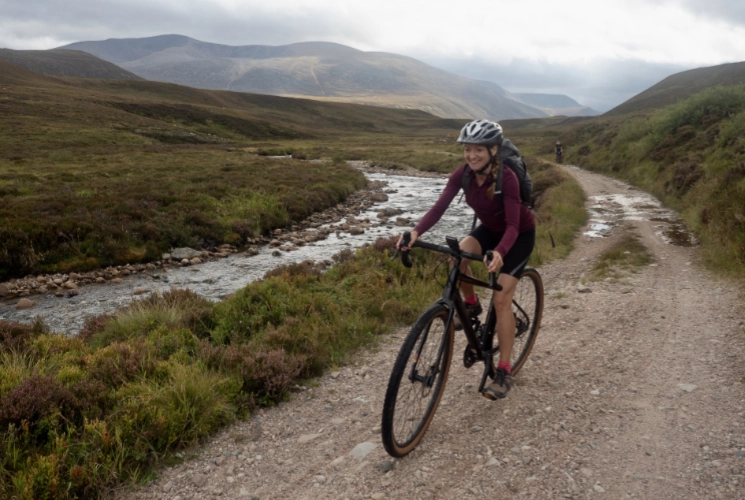
Anyone who travels from Bristol to a farm in South Devon using public transport and a bike deserves respect.
I first met Helen at a wildlife tracking course in the Devon countryside, a weekend I think we would both agree was hugely inspiring and great fun. As she arrived and gently propped her bike against the barn, I could sense the commitment and resolve it had taken for Helen to make this, the first of many sustainable journeys.
With little time to chat while searching for badger prints and squirrel poop, I was keen to catch up with Helen again, and so several months later we visited RSPB Ham Wall Nature Reserve to get to know each other better.
Against the backdrop of the Somerset levels, we engaged in conversation, and as we traversed various topics, it became evident that Helen's profound connection and respect for nature form the bedrock of her views. I was intrigued by the origins of this connection and how it has shaped her approach to life.
‘What has been the most significant influence in your journey as a naturalist?'
Helen reflected on her childhood with a broad smile and deep affection. ‘My family didn’t have much disposable income when I was very young, and as much as I now know times were tough for my parents, I'm really grateful for the simplicity of those early days. We were blessed with a large garden where we spent a lot of time playing.’
She attributes her love of nature to her parents. The countless hours she spent with her mother and brother investigating the wildlife in the garden regardless of weather or season; building dens, sleeping under the stars and feeling the connection to nature.
She has fond memories of her father’s love of nature too. On their British coastal holidays, where pebbles were often fairly nondescript, he would conduct ‘prettiest stone competitions', encouraging them all to look closer at nature's treasures.In particular, Helen’s early memories include a profound connection with her pet rabbit, Skippy who roamed freely around the garden alongside her. They could often be found exploring their hedgerow kingdom that led them to a fantasy world in neighbouring fields. Even at a young age, Helen was aware of the importance of sharing the world with animals, living side by side with our wildlife rather than observing the natural world from the outside or presiding over it.


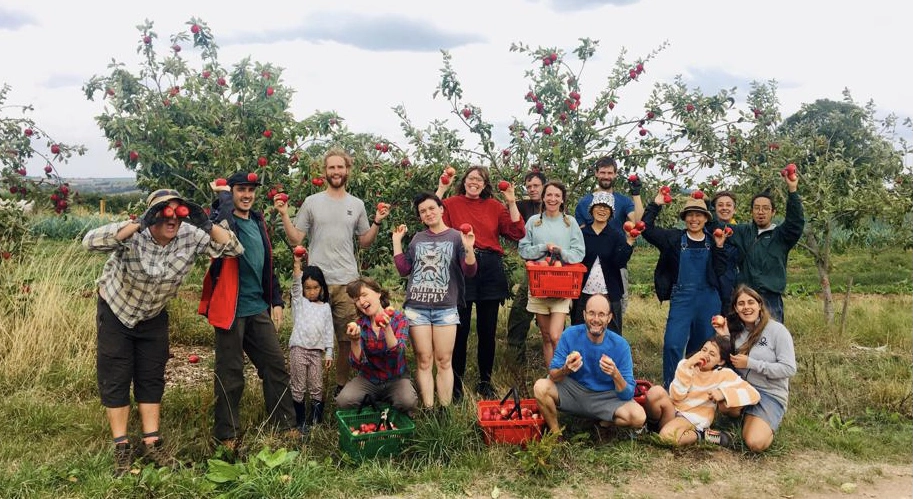
‘More recently I’ve been inspired by a community of nature lovers and food growers in Bristol,’ Helen continues. ‘Whether lifting leeks from the soil or planting rows of squash, spending time with people who share my values is really important to me’. The time she has spent volunteering at The Community Farm, a place where the needs of humans and our wild kin are given equal value, is not only a source of inspiration, but gives Helen a strong sense of belonging.
At the nature reserve, leaning on a rail with our binoculars poised, we spotted a marsh harrier. Its distinctive wing markings and flight pattern set it apart from other birds. Both enthralled, we found ourselves sharing our interest in birds, but I wondered what other wildlife Helen is particularly drawn to.
‘What aspects of the natural world fascinate you the most?'
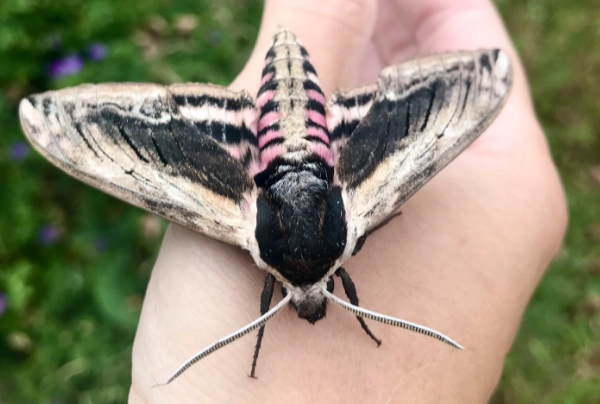
Despite her extensive travels and considerable awareness of world conservation projects, I discovered that it is the minibeasts in her garden that captivate Helen the most. From ants and slugs to hoverflies and beetles, these often overlooked creatures underpin every ecosystem. ‘I love to find something new and spend time finding out about its unique place in the world. There is always so much to discover and learn.’
‘I feel privileged to have a garden’, Helen continues. ‘Gardens are such special parts of our homes where we can develop a much closer and reciprocal relationship with the wildlife we share our lives with. Uncovering a female toad sheltering in a hollow near the pond that I created especially for her, was such an uplifting moment. I still smile about the experience, knowing I had helped her out as she certainly helped me’.
Helen admits she has always been drawn to life’s more vulnerable characters, and this is evident in her career. Her position as Nature and Health Coordinator for West of England Nature Partnership blends her background in psychology with her passion for nature and a deep belief that our connection with the natural world is intrinsically linked to our mental and physical health. She believes that nurturing a deeper connection to nature can have a profound effect on our mental health and advocates not just spending time in nature, but taking time to really notice what is going on around us and understanding that we are all intrinsically connected to it.
Can you share a memorable encounter with wildlife that has left a lasting impression on you?
Helen told me about another of her sustainable journeys, walking and wild camping along parts of the South West Coast Path, when she spent time observing a family of oyster catchers. Sitting quietly and without the pressure of a schedule, she was able to spend a long time simply watching the birds, really noticing their behaviour and how they would interact with each other. The parent oyster catcher, her striking orange bill contrasting against her black and white feathers, was constantly calling out to her young. Keeping the chicks close as they explored the rocks, she worked hard to ensure they were safe and fed. It seemed that nothing else mattered to her.
Helen recalls that the experience became more than simply identifying the species, and as she watched the adults feeding their young, caring for them and keeping them safe, she felt a deep connection. ‘It reminded me of ourselves in many ways. When we strip away the often unnecessary complications of our lives, our needs are equally basic. We simply require food and shelter and family.’ We shared stories of other simple, slow moments like these and how they highlight the profound impact that nature has on our well-being, particularly in this time of environmental uncertainty.
Helen's intellect and understanding of global issues are evident throughout our conversations. Currently pursuing an MSc in Sustainability and Ecology, she talks of the intricate relationships between the natural world, food systems and wealth. Her interest extends to the negative impact that exploitation, power dynamics and capitalism have on the environment. Despite the enormous challenges Helen recognises in the world, she faces them head-on with positivity and we ponder the future of the environmental sector.
How do you think we can inspire the next generation of naturalists and environmental stewards?
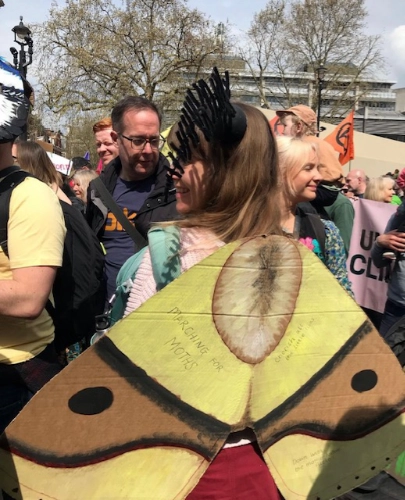
‘It’s a great time to be alive,’ Helen enthuses as we talk about the state of the environment. There is so much that can be done and Helen is excited by what we might potentially be able to achieve. She is passionate that nurturing a love and respect for nature should be part of everyday life for everyone.
Helen urges that we can all be inspired to use our votes and our voices and to lead lives more closely aligned with nature. No matter what skills and interests, regardless of background, gender or age, we can all contribute to create a more nature conscious community. ‘You really don’t need to be an environmental expert to make a difference,’ says Helen, ‘my advice is to follow what you're good at or whatever you enjoy, and take every opportunity to bring nature in and share this with others’. By making the natural world part of the fabric of our society, by putting it at the forefront of every decision and creating conversations, Helen believes we can ignite a collective love of nature that inevitably inspires the next generation of naturalists, whoever they may be.
Enjoying the warmth of the late autumn sun, we gazed across the extensive reedbeds of the Avalon Marshes pointing out various wildfowl and the distant starlings beginning to gather, the promise of their murmurations tantalisingly close. Our time together was coming to an end, and for a while, we enjoyed the peace and stillness of the afternoon, before I asked one final question.

If you could change one thing about the way society interacts with nature what would it be
‘Exactly this,’ says Helen, ‘for us all to slow down and take time to really notice the natural world around us. Whoever you encounter, whether ant or swallow, ask what they are doing and why, where have they travelled from, what part of their lifecycle are they in, what do they need? Consider their story rather than just their name and how it relates to you; a way of thinking and learning that's alive in many indigenous communities but perhaps has gone astray in the western way of thinking and learning’. As an advocate for the vital connection between nature and mental health, Helen emphasises the importance of not merely spending time outdoors, but truly seeing and appreciating its intricacies. Helen would love for us all to nurture a relationship with nature, to understand its stories and connections and for it to become an integral part of everyone's daily life.
As we said goodbye, Helen’s return home by train and trusty bike felt like more than a physical journey. It reminded me that her dedication to sustainable living and her continuing quest to deepen her own connection to nature can inspire us all to reevaluate our life choices.
This renewed, nature-centric approach would surely see us all prioritising the natural world in our decision-making. Whether deciding what to eat, what to buy or how to travel, either personally or in business, collectively we could drive huge positive environmental change. This would not only put nature high on everyone’s agenda, but give greater value to the environmental sector, improve our health and stabilise the future of the planet.
Helen lives a hugely fulfilling and varied life while always keeping nature in mind. She has inspired me to reevaluate my own journey along a similar path and together we have shared our love of the natural world and enjoyed fascinating and diverse conversation. We know that change is needed and we all have to play our part. We must now all make better choices, speak up for the natural world and encourage others to join the growing conversation.